This training will equip participants with an understanding of how natural capital approaches reveal the links between ecosystems, human well-being, and economic development, and how these methods can integrate nature’s value into policy and finance decisions. The session also introduces the process of conducting natural capital assessments, showcases real-world applications in the Asia-Pacific, and highlights how such evidence can inform development planning and investment across institutional decision cycles.
Welcome, Introductions and Session Overview
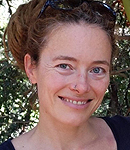
Anne Guerry, Co-Executive Director, Natural Capital Alliance, Stanford University
Introduction to Natural Capital Approaches and How They Can Be Used to Mainstream Nature Into Policy and Finance Decisions, Natural Capital Accounting, and Gross Ecosystem Product
Anne Guerry, Co-Executive Director, Natural Capital Alliance, Stanford University
Overview of the Natural Capital Assessment Process and InVEST Modeling, Including the Rationale, Data Inputs, and Information Outputs of Ecosystem Service Modeling
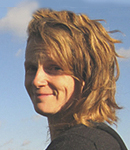
Adrian Vogl, Co-founder and Principal Researcher, Natural Capital Insights
Examples of Natural Capital Approaches and Assessments in Real- World Contexts as Part of the People, Planet, Prosperity Initiative with ADB:
- Philippines – Quantifying Ecosystem Services in the Santo Tomas Watershed to Support the Philippine Ecosystem and Natural Capital Accounting System (PENCAS) Act
- Armenia — Mainstreaming Natural Capital Into River Basin Management Frameworks by Quantifying and Valuing Nature’s Role in Regulating Water Resources in the Ararat Basin
- Cook Islands — Informing Infrastructure and Investment Decisions for Climate Resilience, Water Quality, and Community Well-Being in the Muri Lagoon Watershed
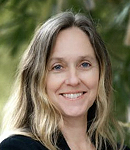
Jess Silver, Senior Applications Specialist, Natural Capital Alliance, Stanford University
Adrian Vogl, Co-founder and Principal Researcher, Natural Capital Insights
Anne Guerry, Co-Executive Director, Natural Capital Alliance, Stanford University
Closing and Final Remarks
Anne Guerry, Co-Executive Director, Natural Capital Alliance, Stanford University
Natural Capital Cafe
- Informal Discussion
- One-on-One Feedback with NatCap Team